Join Talaera, trusted by thousands of engineers at the world’s top companies.










Built for tech roles, not generic English learners
Talaera’s specialized courses are built for technical professionals who already know their job, and want their English to finally match their level.
- Explain complex ideas to non-technical stakeholders
- Contribute clearly in fast meetings
- Write docs and tickets that don’t cause back-and-forth
- Navigate cross-cultural teams without friction
Real challenges engineers face at work
If you’re a non-native English-speaking engineer, this probably sounds familiar:
- You know the solution but can’t explain it clearly
- You hesitate to speak up in calls
- Your written communication gets misunderstood
- You feel capable technically, but less visible professionally
- Your career growth feels slower than it should be


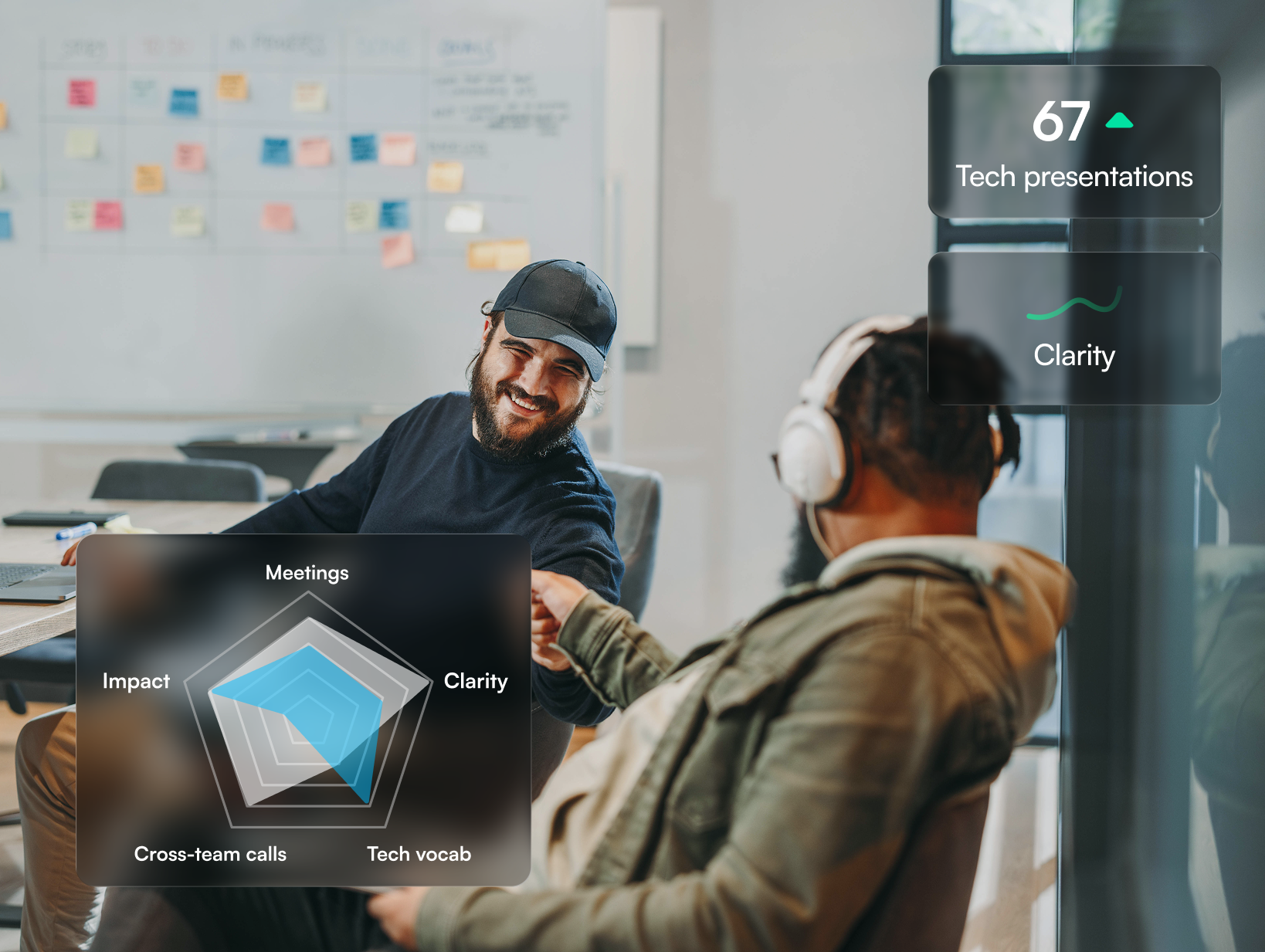
Make your expertise visible at work
When your communication is clear, your work gets recognized.
Meetings
Speak up early in fast meetings, make your ideas land the first time, and sound clear and confident.
Tech communication
Explain complex ideas simply, adjust for non-technical stakeholders, and get alignment.
Cross-team work
Reduce friction across cultures and cut down on back-and-forth and rework using the right tone in global teams.
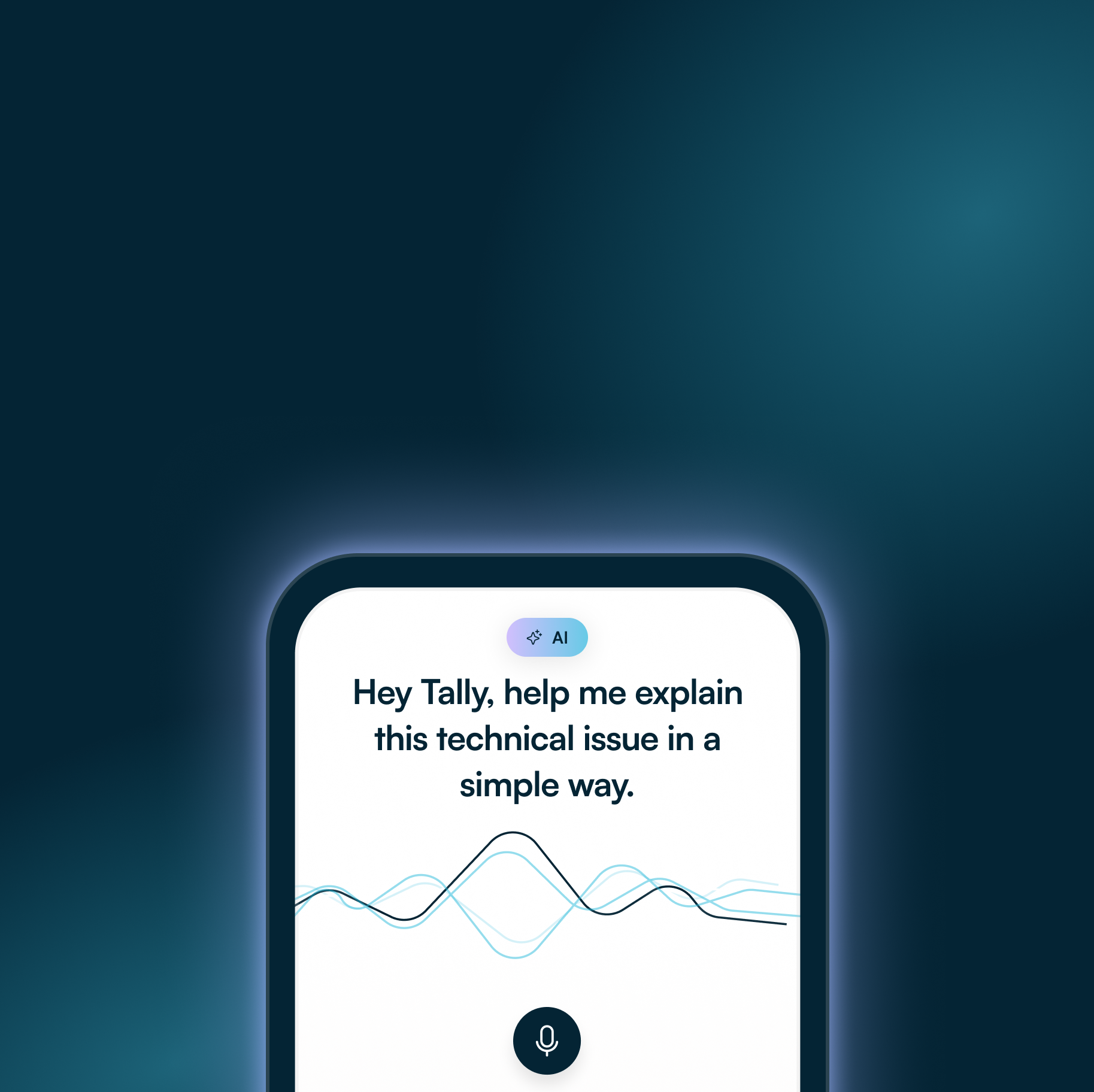
AI Practice
Rehearse real conversations and get instant feedback.

1:1 Coaching
Work with a coach on what matters to you.

Speaking Club
Improve fluency weekly with other industry peers.
Built around how engineers communicate at work
Develop the English you need for meetings, docs, stakeholder updates, and cross-team decisions.
Other courses
- Focus on grammar and vocabulary
- One-size-fits-all curriculum
- Low relevance to daily work
- Language learning only
Talaera
- Focus on real workplace communication
- Personalized to your role, level, and goals
- Practice real scenarios you face at work
- Language + communication + cultural fluency
5 quick communication upgrades for non-native engineers
These tips will help you sound clearer, more confident, and more senior at work.
Lead with the conclusion
Start with your recommendation, then explain. People follow your thinking more easily when they know your main point from the first sentence.
Speak up in meetings
Use one short entry line to speak up in meetings (“Before we move on…”, “One risk to flag…”). Don’t wait for the perfect pause.
Learn important phrases
Don’t just learn words. Learn the phrases you actually use at work (“One risk I see is…”, “My recommendation is…”, “Let’s align on…”) to speed up how confident you sound.
Frame the trade-off
When experts raise problems, they also frame decisions. Name the trade-off so others see the impact of different options.
Steal great language
Notice how senior engineers phrase ideas in meetings and docs. Save useful expressions and reuse them.
Work with Business English experts
Work with certified coaches who understand your industry, your role, and your communication challenges at work.

Kayla
New York–born English speech coach with 5+ years helping global professionals and executives communicate confidently. Has trained leaders from 20+ cultures, working with clients from Google, Wix, Deloitte, and Marriott, among others.

Morgan
7+ years helping professionals across tech, SaaS, and gaming communicate with clarity and confidence. Has worked with with clients from AWS, PayPal, and monday.com, among others.

Vanessa
Vanessa has been helping professionals communicate with professionalism and confidence regardless of their English level since 2009. She has worked with global clients at Coca-Cola, Grammarly, Outbrain, Rostock University, Coty, and more.

Danielle
12+ years empowering global professionals to elevate their English communication. Supports leaders from tech startups to Fortune 100s, including Meta, Microsoft, and Amazon, to speak with clarity, confidence, and impact.

Frequently asked questions
Business English for engineers focuses on how engineers communicate at work, in meetings, technical explanations, documentation, and cross-team collaboration. It goes beyond grammar and vocabulary to help your ideas land clearly with technical and non-technical audiences.