The quality of your conversations determines the quality of your relationships and, ultimately, your life.
Your career grows at the speed of your communication. Not your grammar. Not your vocabulary. Your ability to connect, influence, adapt, and listen when it actually matters.
Strong communication is not one skill. It’s a system. It shows up in how you handle pressure, how you read a room, and how you shape ideas so people remember them. Books help you see that system clearly. They give you language for patterns you already feel at work but can’t name yet.
This list is a progression. Each book sharpens a different part of how you think, speak, and listen at work.
The Core Principles of Great Communication
Great communication starts with empathy. You don’t influence people by being clever. You influence them by making them feel understood. When people feel seen, they listen.
Context shapes everything. Direct feedback builds trust in one culture and breaks relationships in another. Adapting your style to the person and the culture is not optional in global teams.
Pressure reveals skill gaps. When emotions run high, instinct takes over. Frameworks give you something to lean on when your brain freezes.
Listening creates leverage. The most influential people don’t talk more. They ask better questions and listen with intent. That’s where trust forms.
Memorable ideas travel. If people forget your point, your effort disappears. Clarity, emotion, and structure make ideas stick.
Over the years, I’ve turned to many books to help me navigate these truths. What follows isn’t just a list, but a curated learning path with the books that I believe offer the most powerful progression for any professional looking to master the art of communication.
6 Books That Will Change the Way You Communicate
These books build your foundation. They shape how you think about people, conflict, influence, and message design.
Whether you’re leading a team, managing up, navigating cultural nuance, or trying to speak up in a global meeting, these communication skills books are your roadmap.
How to Win Friends and Influence People by Dale Carnegie

This is the undisputed starting point; the operating system for all human interaction. Before you can navigate complex cultural dynamics or high-stakes negotiations, you must master the fundamentals of human connection. While some examples are dated, the principles are timeless. An international career is built on relationships, and this book is the manual for building them.
Main Takeaway: The secret to influence is to become genuinely interested in other people, see things from their perspective, and make them feel important.
Tip: Remember and use a person’s name. Carnegie calls it “the sweetest and most important sound in any language” to that person. It’s the simplest way to show you see them as an individual.
Best for:
- Everyone, especially those early in their careers.
- People in client-facing roles (sales, service, consulting).
- Anyone looking to improve their fundamental social skills.
Crucial Conversations by Kerry Patterson, et al.

Your career will be defined by how you manage conversations when stakes are high, opinions differ, and emotions are strong. This book provides a step-by-step, business-focused framework for creating “psychological safety” so that productive dialogue can continue, even when it’s tough. It’s the perfect toolkit for navigating conflict without damaging the relationships you’ve worked so hard to build.
Main Takeaway:
The key to success in high-stakes conversations is creating a safe environment for dialogue, where everyone feels comfortable sharing their perspective.
Framework: The STATE framework is a brilliant tool for structuring your argument: Share your facts → Tell your story → Ask for others’ paths → Talk tentatively → Encourage testing.
Best for:
- Managers who need to give difficult feedback.
- Team members who disagree on project direction.
- Anyone who needs a plan for tough work conversations.
Never Split the Difference by Chris Voss
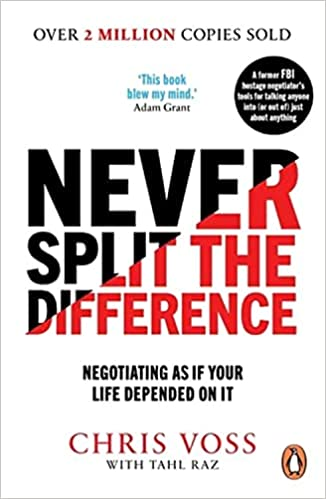
Negotiation is the language of career advancement, for your salary, your budget, and high-value deals. Written by a former FBI hostage negotiator, this book flips traditional negotiation theory on its head. It argues that understanding and influencing emotions through “tactical empathy” is the key to getting what you want. It’s a masterclass in managing conversations, not just deals.
Main Takeaway: Negotiation isn’t a rational game of logic but a practice of tactical empathy used to understand and influence your counterpart’s emotions and perspective.
Tip: Labeling and Mirroring. Labeling is naming your counterpart’s emotion (“It sounds like you’re concerned about the timeline”). Mirroring is repeating the last few words they said. Both techniques build rapport and encourage them to reveal more.
Best for:
- Anyone negotiating a salary, contract, or major purchase.
- Salespeople, managers, and lawyers.
- People who want a modern, psychologically-driven approach to negotiation.
Made to Stick by Chip & Dan Heath
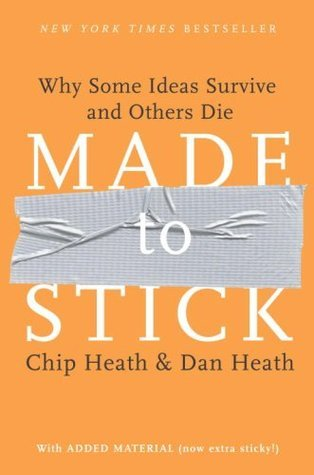
You can be a master of one-on-one communication, but if you can’t make your ideas resonate with a wider audience, your influence is limited. This book answers a critical question: why are some ideas memorable while others are forgotten instantly? It’s the manual for scaling your influence from a single person to an entire audience, ensuring your message is understood, remembered, and shared.
Main Takeaway: For an idea to be memorable and persuasive, it needs to be Simple, Unexpected, Concrete, Credible, Emotional, and tell a Story.
Framework: The SUCCESs framework is a brilliant, easy-to-use checklist for crafting any message, from a presentation to an email, to ensure it has a lasting impact.
Best for:
- Leaders, marketers, and teachers.
- Anyone who gives presentations or writes for a wide audience.
- People who need to make their ideas stick.
You’re Not Listening by Kate Murphy

In a world that rewards great speakers, this book makes a powerful case that we’ve lost the art of listening, the true key to connection, empathy, and intelligence. Murphy argues persuasively that listening isn’t a passive act of waiting for your turn to talk, but a deeply active and curious skill that requires you to genuinely seek to understand.
Main Takeaway: True listening requires silencing your inner monologue and focusing with curiosity, asking questions you don’t actually know the answer to.
Tip: The mental shift from listening to reply to listening to understand. This one change will transform every conversation you have.
Best for:
- Managers, coaches, journalists, and therapists.
- Couples and parents looking to deepen their personal relationships.
- Anyone who feels they talk over people or struggles to connect.
Global Dexterity by Andy Molinsky
While other books tell you what the cultural differences are, this one gives you a psychological toolkit for how to bridge those differences without feeling like a fake. It tackles the internal, personal challenge of adapting your behavior across cultures.
Main Takeaway: Successfully adapting to a new culture requires not just learning the new rules, but also overcoming the psychological challenge of feeling inauthentic by customizing new behaviors to fit your personal style.
Tip: Find your “zone of customization.” Instead of a perfect imitation, find a small, manageable tweak to your natural style that respects the new culture while still feeling authentic to you. This lowers the psychological barrier to adaptation.
Best for:
- Professionals who find it uncomfortable or exhausting to adapt their style.
- Expatriates struggling with feeling inauthentic in a new country.
- Anyone who works in highly diverse international teams.
More Books to Advance Your Communication Skills
Nonviolent Communication by Marshall B. Rosenberg
This book offers a simple but powerful way to reframe conflict from a battle into a collaborative search for a solution that honors everyone’s needs. It’s a transformative framework for expressing yourself and hearing others with empathy, especially when emotions are high.
Main Takeaway: Frame conversations around objective observations, feelings, needs, and requests to foster compassion and resolve conflict without blame or criticism.
Framework: The OFNR formula: Observation → Feeling → Need → Request. For example, instead of “You’re always late,” you say, “When meetings start 10 minutes after the scheduled time (O), I feel frustrated (F) because I value punctuality and efficiency (N). Could we agree to start on time? (R)”.
Best for:
- Teams, couples, and families looking to resolve conflict constructively.
- Anyone who wants to express their needs clearly without sounding aggressive.
The Culture Map by Erin Meyer
After mastering universal principles, you must learn how they are expressed differently across cultures. This book provides a practical framework with eight scales to decode these differences and avoid unintentional offense.
Main Takeaway: Cultural misunderstandings can be decoded and prevented by understanding where a culture falls on eight distinct behavioral scales (e.g., how they give feedback, build trust, or make decisions).
Framework: The eight-scale framework itself is the treasure. It gives you a practical map for adjusting your style on everything from scheduling and giving feedback to building trust.
Best for:
- Professionals working in international teams.
- Expatriates adjusting to life in a new country.
- Anyone who wants to avoid cultural missteps and build trust across borders.
Radical Candor by Kim Scott
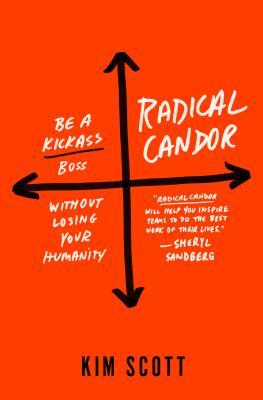
Feedback is the engine of growth, but giving it, especially in a global team, isn’t always easy. Radical Candor provides the best modern framework for delivering honest feedback that helps people improve without destroying morale. It teaches you how to be both direct and kind, a specific and powerful application of a crucial conversation.
Main Takeaway: The most effective feedback is delivered by “Caring Personally” while “Challenging Directly.”
Framework: The Radical Candor 2×2 matrix is a fantastic visual. It shows the sweet spot and the common failure modes: Ruinous Empathy (too nice), Obnoxious Aggression (just a jerk), and Manipulative Insincerity (the worst of all).
Best for:
- Leaders and managers at all levels.
- Anyone working in high-performance teams where clear, honest communication is valued.
- People who struggle to find the balance between being nice and being direct.
Just Listen by Mark Goulston
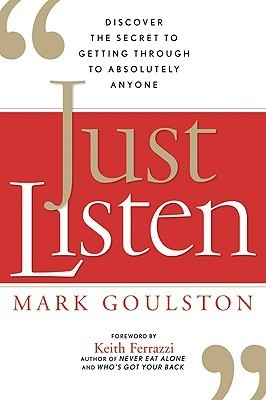
This book takes the principles of deep listening and provides a psychiatrist’s toolkit for getting through to people who are resistant, angry, or completely shut down. It’s less about general conversation and more about breaking through barriers in high-stress moments.
Main Takeaway: To truly connect with people, especially those who are resistant, you must help them feel “felt.”
Tip: The concept of moving someone “from oh-oh to okay to yes.” It’s a process of deep listening and validation that calms their internal resistance and makes them receptive to your message.
Best for:
- Anyone dealing with resistant clients, angry customers, or defiant colleagues.
- Managers and parents who need to get through to someone who won’t listen.
Influence by Robert Cialdini
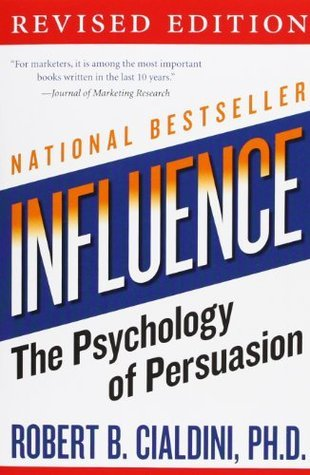
If other books are about the “how” of communication, this is the deep dive into the “why.” Cialdini, a professor of psychology, explores the hidden triggers that shape human decisions. It’s a fascinating look at our mental shortcuts and why we say “yes.”
Main Takeaway: People are persuaded by six universal principles: Reciprocity, Commitment/Consistency, Social Proof, Liking, Authority, and Scarcity.
Framework: The Six “Weapons of Influence.” Simply knowing these psychological triggers helps you understand why you’re being persuaded and how to structure your own requests more effectively and ethically.
Best for:
- Marketers, salespeople, and leaders.
- Anyone who wants to understand the psychology of persuasion.
- Consumers who want to be more aware of how they are being influenced.
Captivate by Vanessa Van Edwards
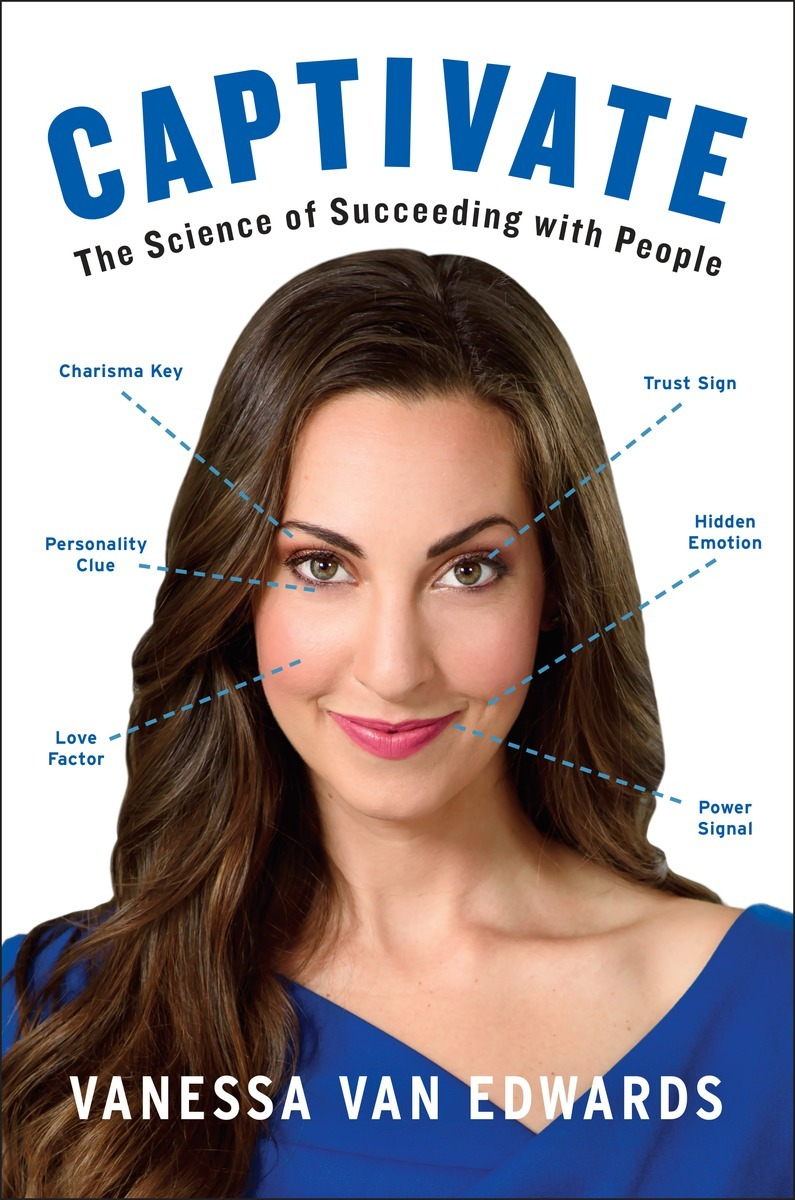
This book feels like a modern, science-backed update to many of Carnegie’s principles. Van Edwards translates social psychology into a toolbox of actionable “hacks” for social situations, from first impressions to networking events. It’s highly practical and perfect for today’s professional world.
Main Takeaway: You can engineer successful interactions by understanding the science of first impressions, social cues, and human behavior.
Tip: Be a “highlighter” in conversations. Your job isn’t just to be interesting, but to find what’s interesting about other people and highlight it for them. This makes them feel great and makes you instantly likable.
Best for:
- People who find networking events awkward.
- Professionals who want specific tactics for building rapport quickly.
- Anyone looking for a modern guide to social skills.
Think Again by Adam Grant
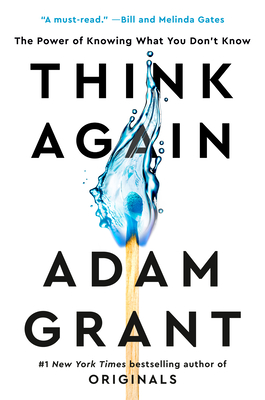
This book is a perfect capstone. It argues that how we think is the foundation of how we communicate. In a rapidly changing world, the ability to rethink and unlearn is more critical than raw intelligence. It reframes disagreement from a battle to be won into an opportunity to learn.
Main Takeaway: Your ability to question your own opinions and embrace being wrong is a more valuable skill than being smart.
Tip: Adopt a “scientist mindset.” Treat your opinions as hypotheses to be tested, not as identities to be defended. This simple mental shift opens you up to genuine dialogue and learning.
Best for:
- Everyone. Seriously.
- Leaders who want to build a culture of learning.
- Anyone who wants to have more productive disagreements and fewer arguments.
Difficult Conversations by Douglas Stone, Bruce Patton & Sheila Heen

From the Harvard Negotiation Project, this is the definitive guide for preparing for and deconstructing tough conversations. It complements Crucial Conversations by helping you understand the underlying structure of any difficult conversation before you even start.
Main Takeaway: Every difficult conversation is actually three conversations in one: the “What Happened?” conversation, the “Feelings” conversation, and the “Identity” conversation.
Framework: The “Three Conversations” concept. Simply understanding that these three layers are always present helps you untangle the mess and address the root causes of the conflict, not just the surface-level topic.
Best for:
- Anyone preparing for a high-stakes conversation.
- Mediators, HR professionals, and leaders.
- People who want to understand the root causes of their disagreements.
…Also Worth Reading
- Storyworthy by Matthew Dicks: The ultimate guide to finding and telling compelling personal stories from your everyday life. It teaches you to find the 5-second moment of change that makes any story great.
- Talking to Strangers by Malcolm Gladwell: A fascinating and cautionary exploration of why we are so bad at judging people we don’t know, and how to approach interactions with strangers with more humility and awareness.
- The Motivated Speaker by Ruth Milligan, Acacia Duncan & Blythe Coons: A fantastic guide from the speaking coaches behind TEDxColumbus that focuses on the internal mindset of a great speaker. It provides a practical framework for overcoming anxiety, finding your authentic voice, and crafting a message that you are truly motivated to share.
- Smart Brevity: The Power of Saying More with Less by Jim VandeHei, Mike Allen & Roy Schwartz: A tactical system for ruthless efficiency in modern communication. It’s a style guide for crafting potent emails, presentations, and reports that respect your audience’s limited attention.
- Quiet: The Power of Introverts in a World That Can’t Stop Talking by Susan Cain: An essential read for understanding the power of introverts in a world that can’t stop talking. It’s foundational for self-awareness and for learning how to communicate effectively with the quieter half of the population.
- The Next Conversation by Jefferson Fisher: A practical guide to navigating tough conversations with control, confidence, and connection. With simple, real-world strategies, it shows how to argue less, talk more, and make your next conversation the one that transforms your relationships.
- Talk to Me: How to Ask Better Questions, Get Better Answers, and Interview Anyone like a Pro by Dean Nelson: A masterclass on asking better questions. Written by a veteran journalist, its lessons on curiosity, empathy, and framing questions are invaluable for anyone wanting to have more meaningful and insightful conversations.
Start building your communication skills
You can have the best ideas, the most impressive CV, or deep technical knowledge, but if you can’t communicate clearly, it’s hard to make an impact. Great communication is your best advantage, your power skill. And like any skill, it can be learned, practiced, and improved. These communication skills books helped me shift how I think, speak, listen, and lead, and I hope they do the same for you.
Now, books change how you think. Practice changes how you show up. Real growth happens when insight meets action.
Pick one book. Apply one idea this week. Notice what shifts in how people respond to you.
At Talaera, we help professionals like you speak with clarity, confidence, and impact in global teams. Whether you’re preparing for a high-stakes presentation, navigating cultural nuance, or just want to stop second-guessing your English, our coaching is designed to help you thrive.